Sword 9
Tanto unsigned


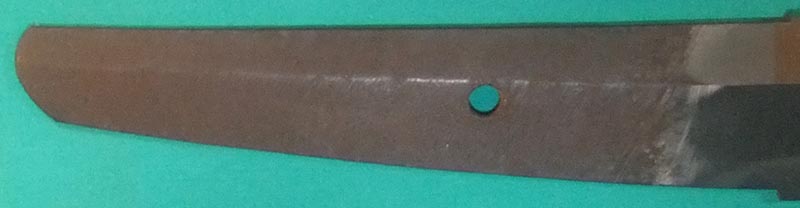
Blade length 25.0cm, thickness at the base 6mm, width 2.5cm

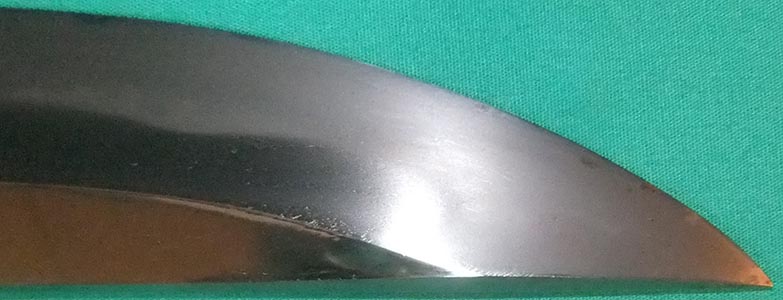
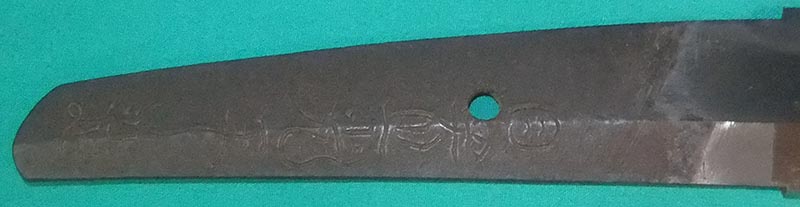
This is a tanto blade without signature. The age may be 14th century or older.

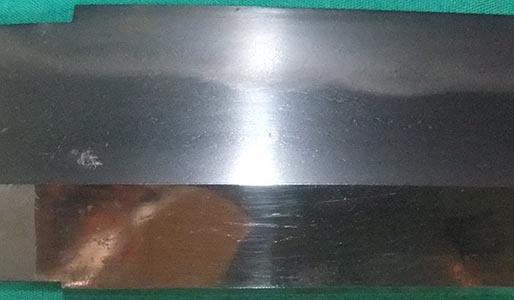
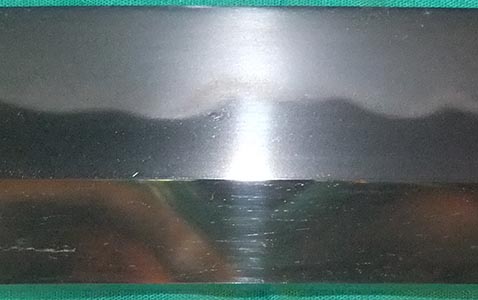
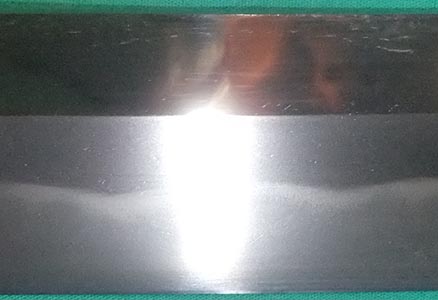
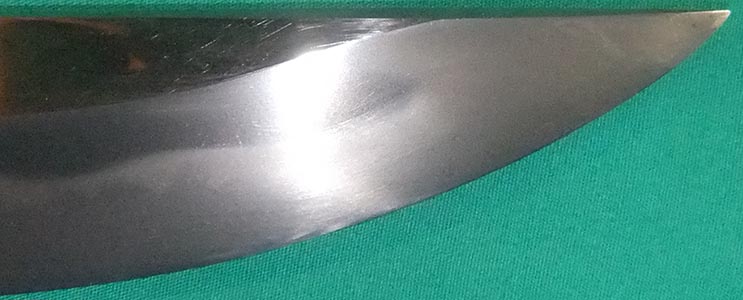
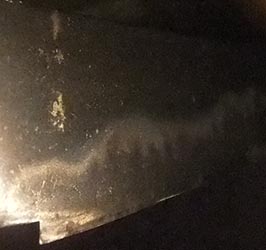
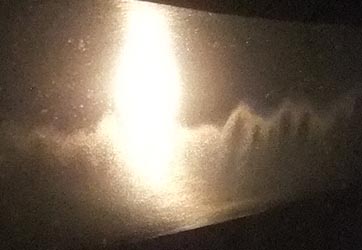
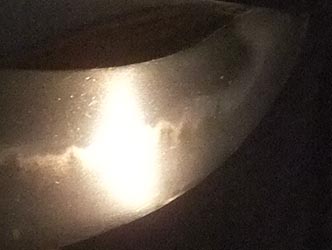
Steel has a wood grain layer pattern. It is not very fine, but it shows some uneven hardness among the steel layer.


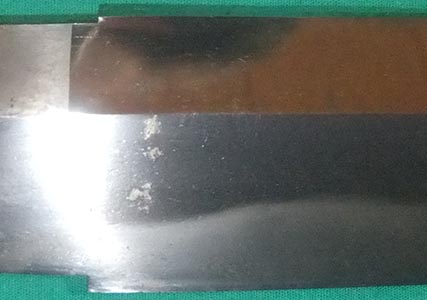
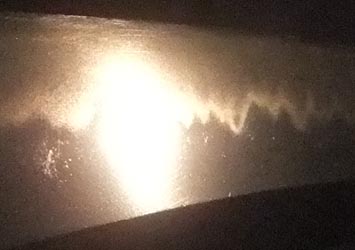
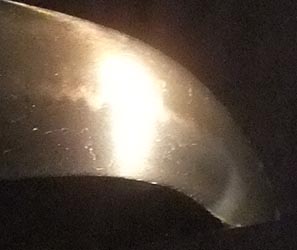
Hamon is made of large particles. It makes active pattern, including lightning pattern, sweeping pattern, and some others those are come from the uneven hardness steel layers. The hamon particles also make some interesting appearance in ji.


Polishing is the modern style (hadori style). The hadori work is not too strong to study sword.

Studying the blade, the steel does not have compact layer, and it has the uneven hardness among the layers. In other words, It suggests that the steel ingots as material had discrepancy of quality, and the blade steel remains it. Probably it was not folded many times. The hamon is made of large particles (nie), and it also has some active pattern those are come from the steel quality. It has some eye-appealing, though. So the total appearance of this tanto suggests so-called "Soshu style".
In some different point of view, it is not well forged. Steel is not very fine, and the hardened part is not very clear. It could be a blade made by some Soshu style smith, or just an ordinary quality blade from 14th century or older.

Tang
Originally unsigned.


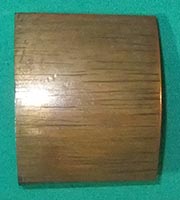
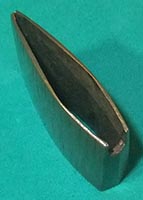
Habaki is made of silver. It has good fit with the blade.


Mount is nice.


Fuchi, kashira, and some other parts are made of buffalo horn. But they have some damages eaten by worms. Kogai is missing.


The blade of kozuka is fake.


300,000.yen


Home > Catalogue > Sword9