Sword3
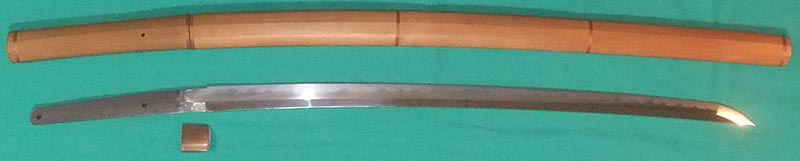
Katana no signature within shirasaya
blade length 64.4cm, curvature 1.8cm, thickness at the base 7.5mm, width
3.2cm
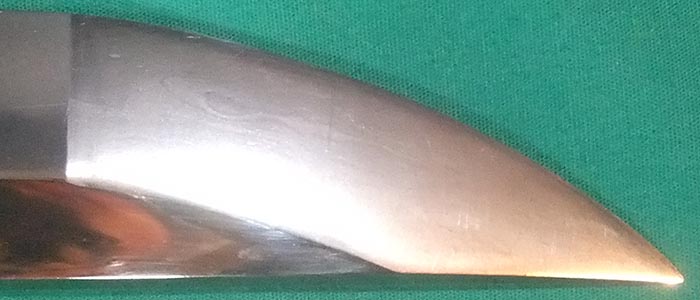
This is a beautiful katana blade in Mino tradition.
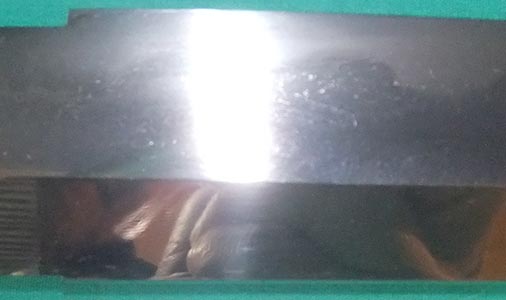
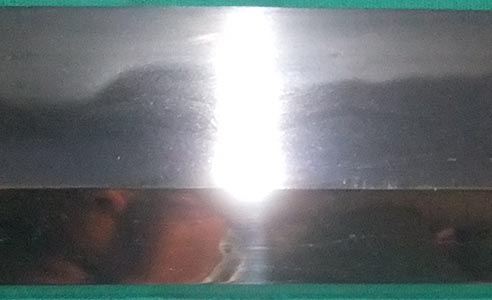
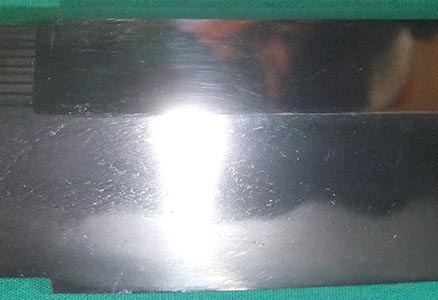
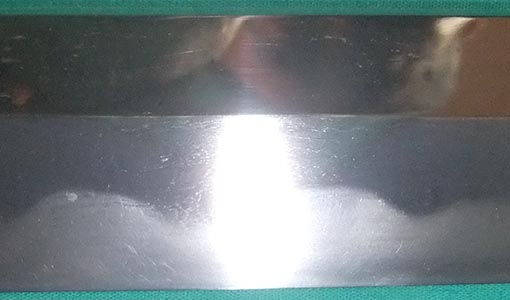
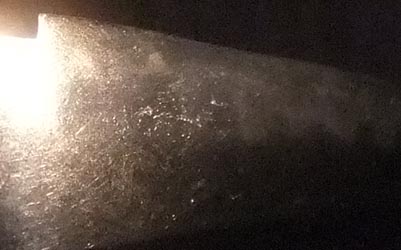
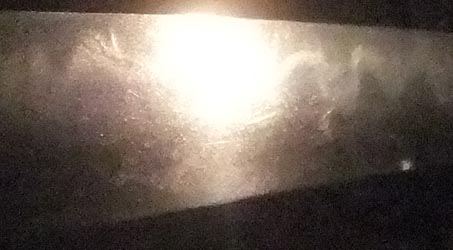
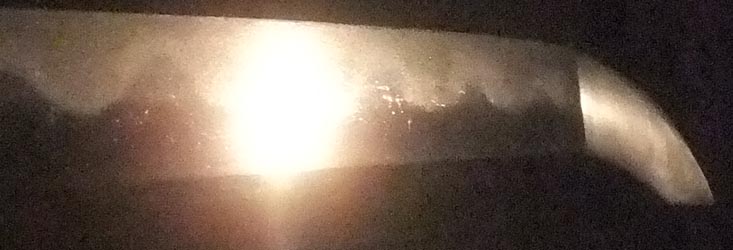
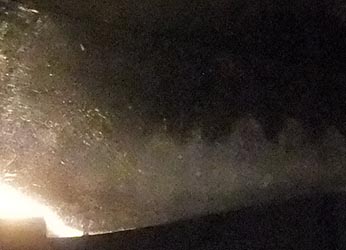
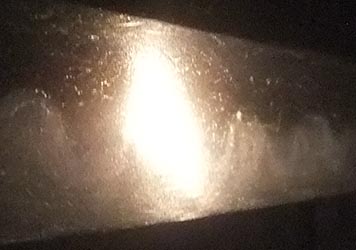
The steel is a small wood grain layer pattern. The steel particles (jinie) and chikei works compactly. The appearance is beautiful. But the thickness of the steel particles is not thick enough comparing to Mino blades in Koto period.
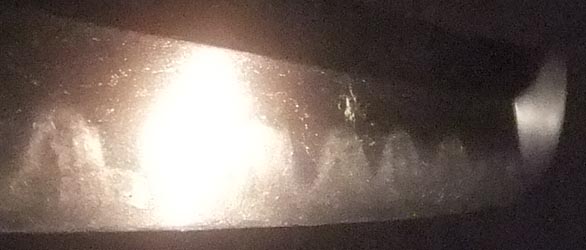
The hamon is Gunome pattern made of small particles (konie) that suggests
Shizu Saburo Kaneuji or other masters in Mino province. It is also beautiful,
but the hamon particles seems a little milder than such old masters.
This katana blade is beautiful as art sword. The character seems like a copy of Shizu Saburo Kaneuji who is a founder of Mino tradition in 14th century. This is a good copy of old masterpieces. The steel and hamon is beautiful, but the whole quality seems a little milder than the old masterpieces, as I already mentioned. The beautiful looking maybe come from the mildness of the steel and the hamon. Masterpieces in Mino are powerful, rather than beautiful.
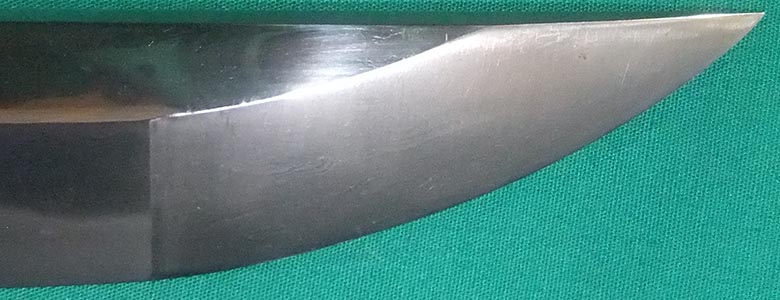
The modern style polishing work also is beautiful. The work matches to
this blade quality. It can make up the contrast well between the black
shining colour of steel and white hadori, because the hamon is not too
hard for the work. Anyhow this is a good art sword.
Tang
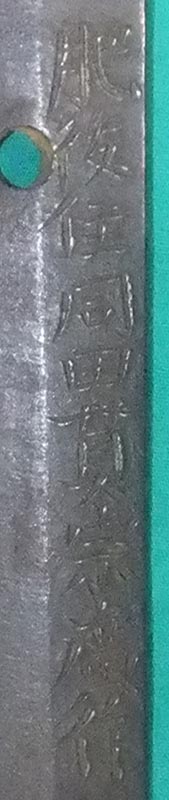
No signature, but rust is put on the tang intentionally by any reason.
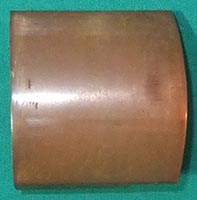
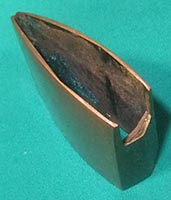
Habaki, silver
Bag and shirasaya
In fact, this blade was brought by a friend to our shop. He had bought it about 2,000,000.yen as shortened blade of Shizu Saburo Kaneuji. We told him our opinion that the blade is original length and the rust on tang is fabrication. It may be made as art sword in 20th century. Then he decided to release it from his collection.
On the other hand, we found an unpleasant point on the blade. The open
layer in the groove runs through the back. It is a small flaw for eye,
but not happy for blade.