Our smith kokaji tried to make a tachi blade what shows an appearance of Ko-Bizen blades. It is his interpretation of Ko-Bizen after more than 50 years study. And also this is one of the first blades he made after his heart surgery.
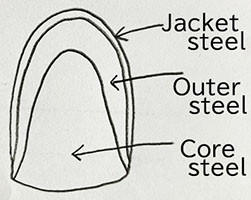
Steel: construction Kobuse
Core steel = 12 time foldings, it is a little softer than the outer one.
Outer steel = 14 time foldings, it is hard and dense enough to become a sharp edge by proper tempering.
Jacket steel = 8 time foldings, it may have rough layer, because of less foldings. Expecting an appearance of Ko-Bizen blades.
Rough image of the steel construction. The upper side becomes the edge, and the bottom is the back.

Blade length 75.7cm, thickness at the base 8mm, width 3.3cm, thickness at yokote 5.5mm, width 2.5cm, weight of naked blade 912g
The shape is inspired by a Ko-Bizen blade, imagining the original shape of those blades from 12th century.
Steel is fine. And it has a large wood grain layer pattern.
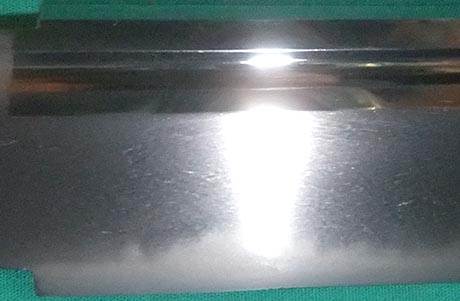
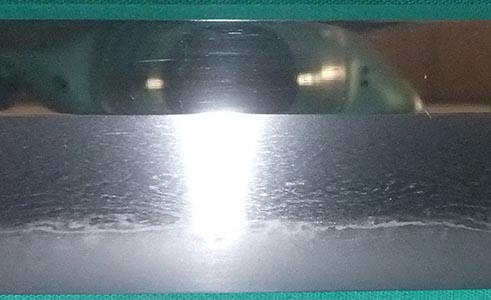
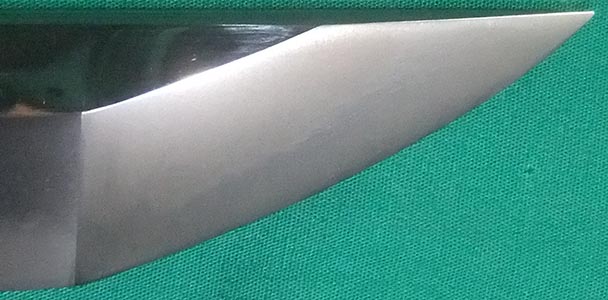
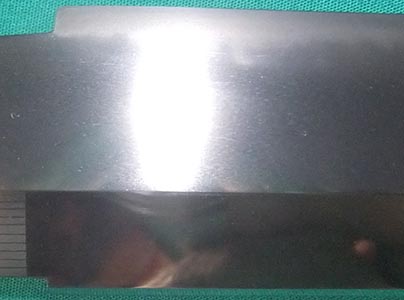
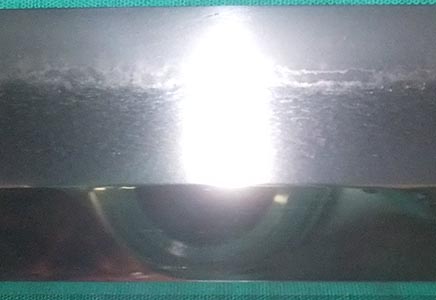
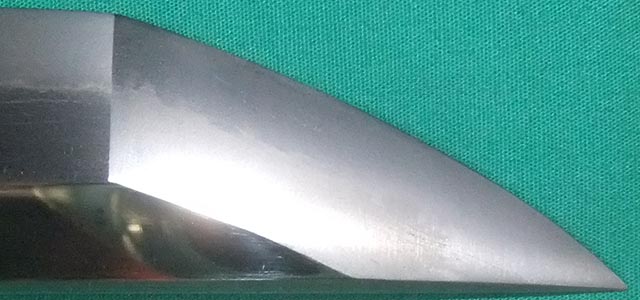
Hamon is made of small particles. Its pattern is choji and ko-midare. Utsuri is not clear in this polishing.
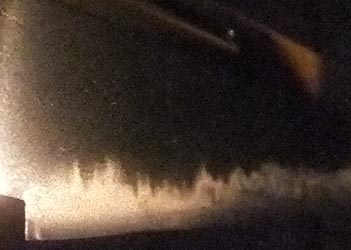
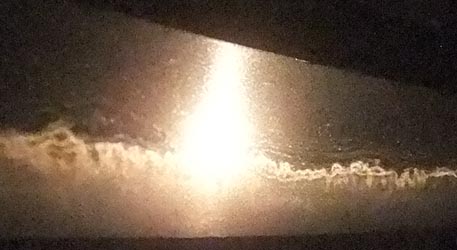
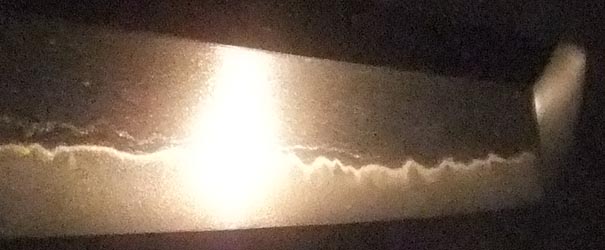
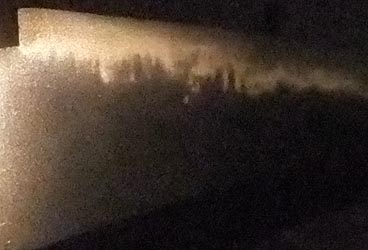
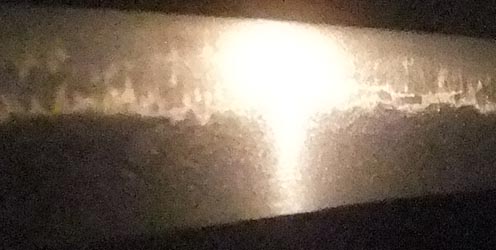
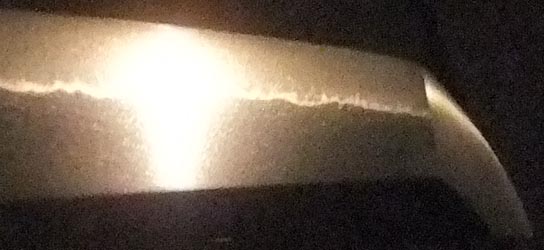
Polishing is the classical style (sashikomi style), but it has somewhat modern taste with the black shining steel color and white hamon. It is not very easy to order honest sashikomi style polishing from modern polishers. It is not only because of their skill or knowledge, but because of their business. Honest sashikomi polishing is not good for their business. Not many sword fans like honest work.
The engraving, a short groove at the base of the blade also suggests the faith of warriors in old days.
Tang
Signature "Kei'un Naohiro"

Date "Kinoe-tatsu Hachi-gatsu nichi" (Dragon year (2024) August)

Habaki is made of silver, oxidized black finish
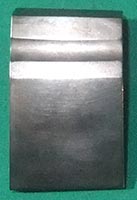
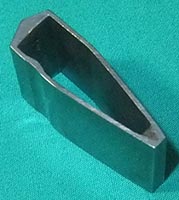
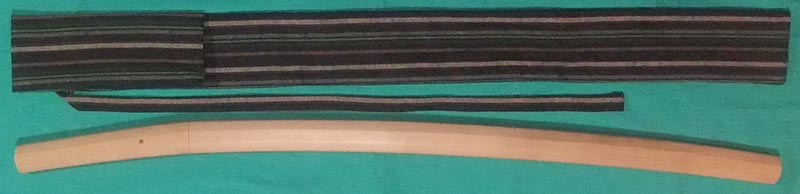
Shirasaya and bag
800,000.yen